
When you hear the term "climate-controlled storage," your mind probably jumps straight to air conditioning. And you're not wrong, but that's only half the story. It's a specialized service that actively manages both temperature and humidity to create a stable, predictable environment for your belongings.
Think of it less like a simple air-conditioned room and more like a museum vault, designed to shield sensitive items from the wild swings of heat, cold, and moisture that can cause some serious, irreversible damage.
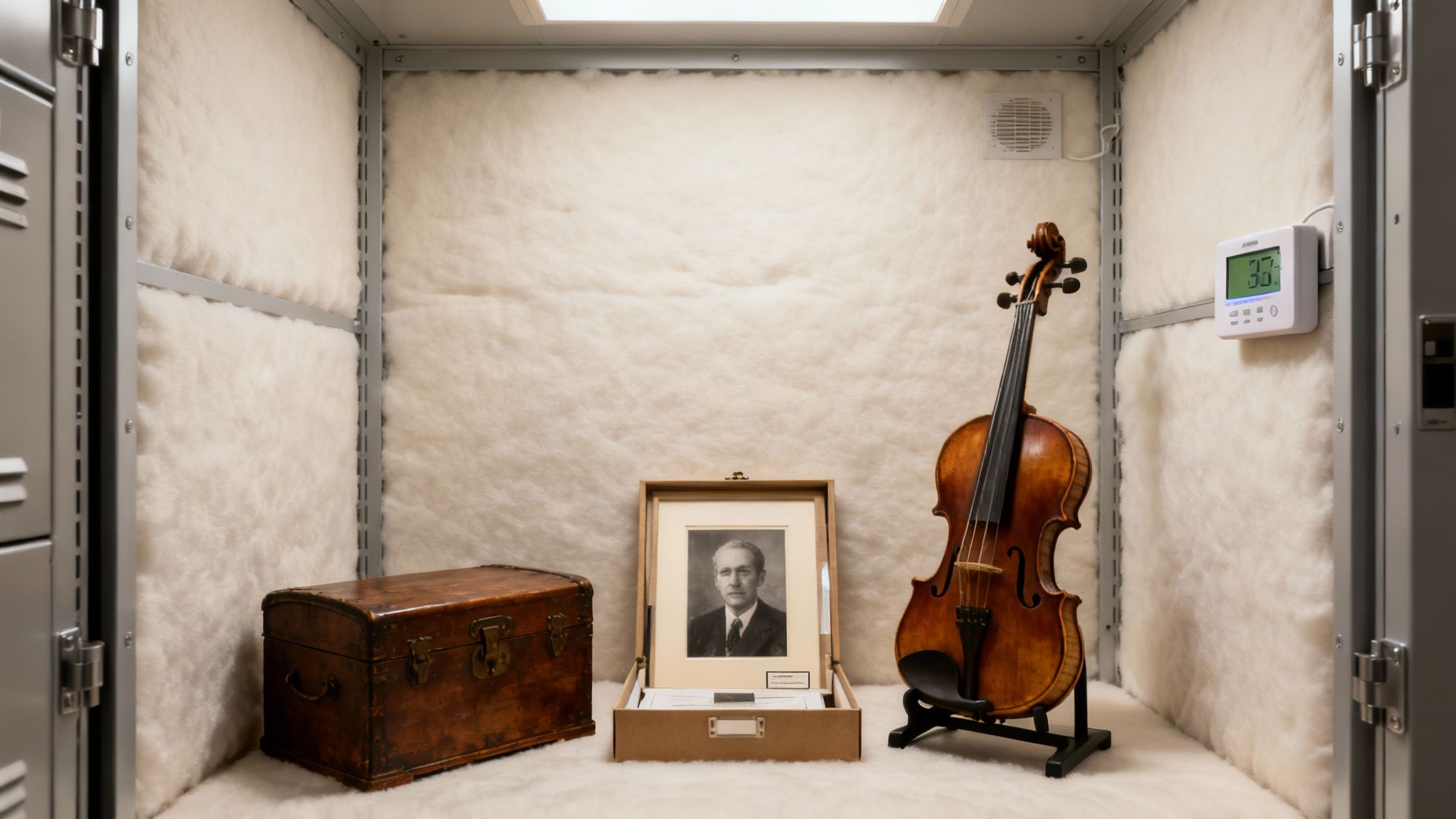
A standard, non-climate-controlled unit is basically a garage away from home. It's a great, cost-effective option for many things, but it's also exposed to the full force of whatever Mother Nature is dishing out that season. This exposure is the sworn enemy of many of your most valuable and sentimental items.
Let's say you're storing a beautiful wooden dining table you inherited. In a standard unit, the sweltering summer heat and thick humidity can make the wood swell and warp. Fast forward to winter, and the cold, dry air causes it to shrink and crack. Over just a few seasons, those fluctuations can completely ruin a priceless piece. This is the exact problem climate-controlled storage was built to solve.
True climate control goes a big step further by actively managing humidity levels. Honestly, this is the part people often overlook, but moisture is one of the biggest culprits when it comes to storage damage.
To get a clearer picture, let's break down the key differences.
This table lays out the fundamental distinctions between the two main types of storage units available. While standard units are perfect for sturdy, resilient items, climate-controlled units offer a crucial layer of protection for anything sensitive to environmental changes.
| Feature | Standard Storage Unit | Climate Controlled Storage Unit |
|---|---|---|
| Environment | Exposed to outdoor temperature and humidity fluctuations. | Regulated to maintain a stable temperature and humidity range. |
| Temperature Range | Varies with the local weather and seasons. | Consistently maintained between 55°F and 80°F. |
| Humidity Control | No control; humidity levels mirror the outside air. | Actively managed, typically between 35% and 55%. |
| Air Quality | Basic ventilation; prone to dust and pests. | Circulated, filtered air for a cleaner, healthier environment. |
| Ideal For | Durable items like garden tools, patio furniture, cars. | Sensitive items like wood furniture, electronics, art, documents. |
| Location | Typically outdoor, drive-up access buildings. | Usually located inside a larger, insulated building. |
Ultimately, choosing the right unit comes down to what you're storing. For items that can withstand the elements, a standard unit is a great fit. But for anything you'd be heartbroken to see damaged, the extra investment in a climate-controlled space is well worth it.
The core idea behind climate-controlled storage isn't just about comfort—it's about preservation. It creates a protective bubble that shields your belongings from the damaging effects of environmental extremes, safeguarding your investment and your memories.
This next-level protection is why it’s the go-to choice for everything from antique furniture and electronics to important documents and artwork. To learn more about the different options out there, you can explore various guides on professional moving and storage solutions. Once you understand what this service truly offers, you can make a much more informed decision about how to best protect your things.
So, what exactly makes a climate-controlled storage unit different from just a regular indoor one? It’s much more than just four walls and a roof. Think of it as a meticulously engineered protective bubble, an active system designed to shield your belongings from the wild swings of the outside world.
At the core of this system is a commercial-grade HVAC (Heating, Ventilation, and Air Conditioning) unit. A standard unit pretty much just mirrors whatever’s happening outside—scorching in the summer, freezing in the winter. But a climate-controlled system actively maintains a consistent temperature, typically somewhere between 55°F and 80°F. This simple act of stabilization is what stops your wooden furniture from expanding and contracting, which can lead to cracks and warping over time.
But temperature is only half the battle. The real unsung hero in this setup is the dehumidifier. This machine is constantly working in the background to keep moisture levels in that sweet spot, usually between 35% to 55%. That one feature is what keeps destructive mold and mildew from feasting on your fabrics, documents, and wood.
Finally, the whole facility is built with high-quality insulation. This acts as the final line of defense, sealing the controlled environment off from the outside and helping the HVAC and dehumidifier run efficiently without constantly fighting the elements.
The combination of controlled temperature, managed humidity, and robust insulation creates a stable environment that’s less like a garage and more like an archive. It actively defends your items against rust, warping, and mildew year-round.
It’s this level of protection that’s causing a boom in the industry. The global market for climate-controlled storage was valued at around USD 8.3 billion in 2024 and is expected to climb to nearly USD 14.7 billion by 2033. People are realizing just how important it is to safeguard sensitive items from environmental damage. You can read the full report to understand the growth of the climate-controlled storage market.
When you’re planning a move, especially if storage is involved, this kind of protective bubble offers incredible peace of mind. For anyone looking for an all-in-one solution, it's definitely worth exploring the benefits of a moving company that also provides secure storage to make sure your things are protected every step of the way.
Not everything you own needs the VIP treatment of a climate-controlled unit. But for certain belongings, it’s the only way to make sure they survive the move and storage in one piece. The decision usually boils down to a single question: could extreme heat, cold, or humidity wreck this item for good?
Take your wooden furniture, for instance. That antique dresser from your grandmother or your solid oak dining table can crack when the air gets too cold and dry. Then, when humidity spikes, the wood swells and warps. This constant expansion and contraction puts incredible stress on the wood, causing permanent damage that tanks its value and ruins its look. The same goes for musical instruments like guitars and pianos, which can lose their shape and sound quality in an unstable environment.
This infographic really breaks down how a climate-controlled unit acts like a protective bubble for your stuff.
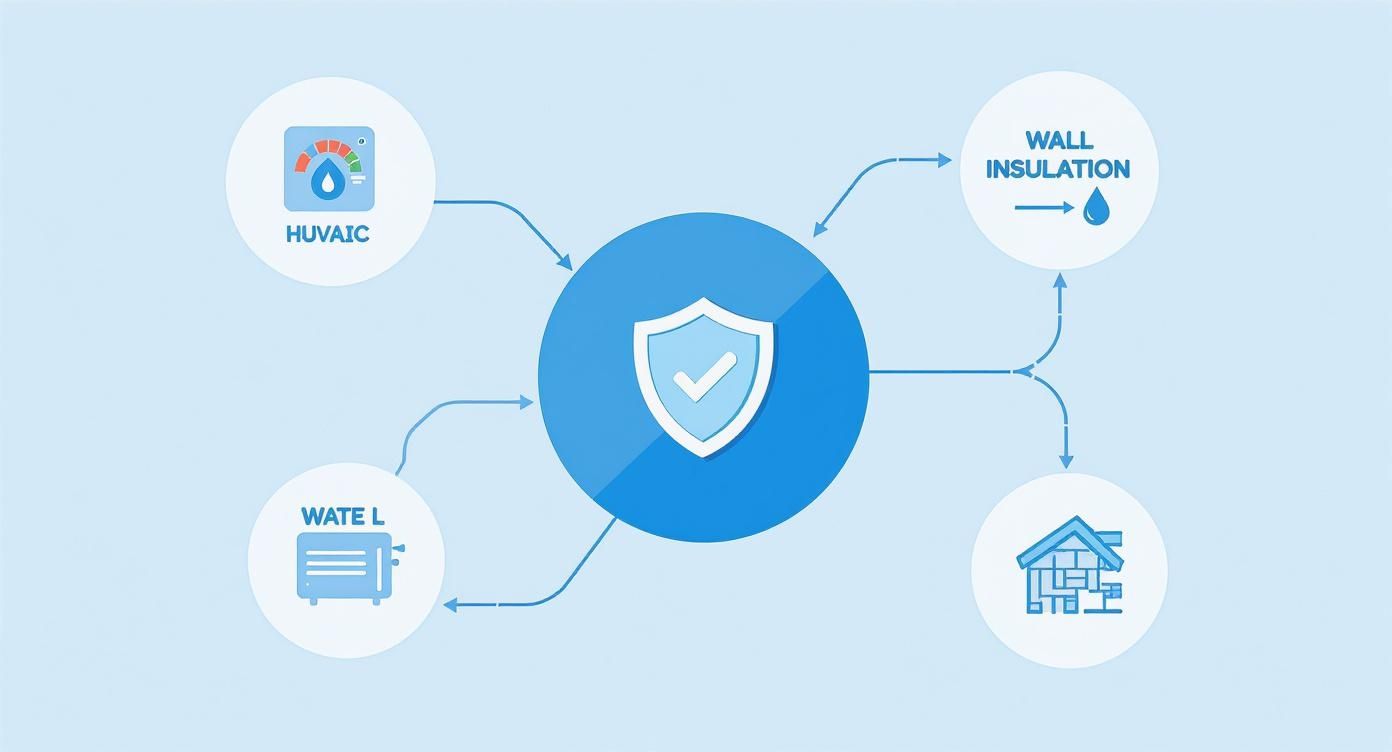
As you can see, it's the whole system—HVAC, dehumidifiers, and solid insulation—that creates a stable space that a standard garage-style unit just can't match.
Beyond big wooden pieces, a few other categories of your possessions are especially vulnerable. Without the right protection, you're really risking a significant loss.
To make it even clearer, think about which of your belongings fall into these high-risk categories. Here’s a quick checklist to help you decide what truly needs that extra layer of protection.
| Item Category | Specific Examples | Risk without Climate Control |
|---|---|---|
| Wood & Leather | Antique furniture, leather sofas, pianos, guitars | Cracking, warping, splitting, mold, and mildew growth |
| Electronics | TVs, computers, speakers, cameras, stereo systems | Corrosion of internal parts, screen damage, rust, and permanent malfunction |
| Media & Collectibles | Vinyl records, old books, comic books, artwork, stamps | Warping, fading, mold, mildew, and paper degradation |
| Photos & Documents | Family photos, birth certificates, financial records | Photos sticking together, ink bleeding, yellowing, and mold damage |
| Specialty Items | Wine collections, pharmaceutical supplies, mattresses | Spoilage, loss of potency, mold, and mildew infestation |
| Clothing & Fabrics | Delicate fabrics like lace, silk, or vintage clothing | Yellowing, weakening of fibers, and moth or mildew damage |
If you have items on this list, especially ones with sentimental or high monetary value, opting for climate control is less of a luxury and more of a necessity.
At the end of the day, anything made of wood, paper, or leather, or that has sensitive electronics, is a prime candidate. If replacing an item would be either heartbreaking or just plain expensive, choosing a climate-controlled unit is a very smart investment.
When you start comparing storage options, you'll quickly see that climate-controlled units carry a higher price tag. This isn't just an arbitrary markup; it's a direct reflection of the sophisticated systems and better construction needed to create a truly protective space for your things.
Think of it less as an extra cost and more like an insurance policy against permanent damage.
That premium price covers a few key things behind the scenes. The biggest factor is the energy required to run commercial-grade HVAC systems and dehumidifiers 24/7. These facilities also need top-notch insulation to keep the internal environment stable, which adds to the building and upkeep costs. You're paying for a consistent, controlled space that shields your valuables from the wild swings of mother nature.
Ultimately, deciding whether to go for it comes down to a simple cost-benefit analysis. Is the extra monthly fee worth the peace of mind? If you’re storing valuable or sentimental items, the answer is almost always a resounding yes.
The small premium is a smart trade-off when you consider the potential heartbreak and financial hit of finding your belongings ruined by mold, rust, or warping.
This added expense is an investment in preservation. It safeguards your belongings from the silent but steady damage caused by temperature swings and humidity, ensuring they remain in the same condition as the day you stored them.
Self-storage is a huge industry, and this premium tier is one of its fastest-growing segments. Climate-controlled units often command prices 20–50% higher than standard ones simply because they offer a level of protection that more and more people demand. You can explore the United States self-storage industry report to get a better sense of this trend.
As you plan your budget, it's helpful to see how this fits into the bigger picture. Understanding the average moving costs can put the price of premium storage into perspective, showing its value as a key part of a smooth, stress-free move.
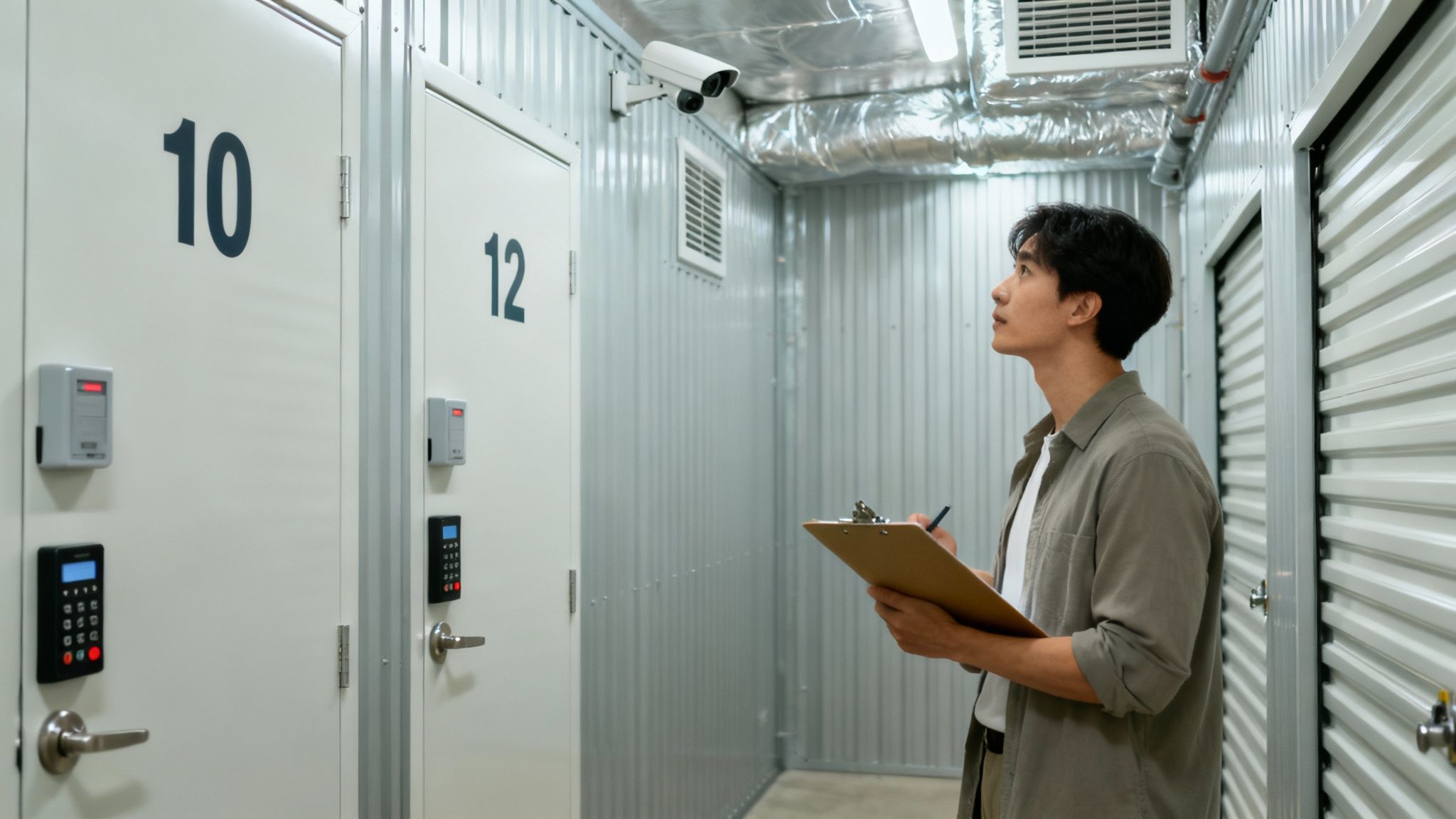
Here’s the thing: not all climate-controlled storage is created equal. Picking the right spot is a pretty big deal, so you’ll want to find a facility that actually delivers on its promises.
My best advice? Go see it for yourself. An in-person tour tells you way more than a website ever could. It’s the only real way to get a feel for the cleanliness and how well the place is kept up.
When you're there, don’t be shy about asking questions. A manager who knows their stuff should be able to tell you the exact temperature and humidity ranges they stick to. If they get cagey or can't give you a straight answer, that's a huge red flag.
As you walk through the facility, keep your eyes peeled for a few key things. The best places have these features on full display.
Remember, you’re not just renting a box. You’re finding a partner to look after your valuables. The goal is to find that stable, secure environment where your belongings can stay in perfect condition.
This is especially true if you’re looking at long-term storage. If you're in the middle of a big transition, you might find some useful tips in our guide on planning a long distance move.
Even after you get the gist of what climate-controlled storage is, a few questions usually pop up. Let's walk through some of the most common ones I hear from folks to make sure you have all the facts before you decide.
Probably the biggest point of confusion is whether "climate-controlled" and "temperature-controlled" are just different words for the same thing. They're not, and the difference really matters. Temperature control is pretty basic—it’s just heating and cooling, like a thermostat in your car. True climate control manages both the temperature and the humidity, which is the secret sauce for protecting things like wood furniture, old photos, and electronics from mold, mildew, and warping.
Another myth I hear all the time is that you only need this kind of storage if you live somewhere with wild weather swings, like a scorching desert or a frigid tundra. The truth is, even in the mildest places, humidity can go up and down like a yo-yo. A standard outdoor unit can easily trap moisture on a damp day, and that condensation will slowly but surely ruin your valuables. If something is sensitive to moisture, climate control is its best friend, year-round.
Finally, what about security? This is where climate-controlled units have a natural advantage. Because they are almost always inside a larger, main building, you automatically get an extra layer of protection.
The bottom line is that climate control is a complete package. It's not just about keeping things from getting too hot or too cold; it’s about creating a stable, secure, and moisture-free environment to preserve your most important possessions exactly as you left them.
This all-in-one approach is why the industry is booming. The global market is expected to hit between USD 45 billion and USD 85 billion by the early 2030s, thanks to more people moving to cities and the rise of online businesses needing storage. You can discover more about this market forecast to see for yourself why demand for this level of protection keeps climbing.
Navigating a move can be complex, but protecting your belongings doesn't have to be. For a seamless experience with guaranteed protection, trust Family Movers Express LLC. We offer secure, climate-controlled storage—with your first 30 days free—to ensure your valuables are safe every step of the way. Get your free moving and storage quote today!
Ready to protect your upcoming move?
Click Here to Fill Out Our Quick Form & Secure Your Instant Quote!