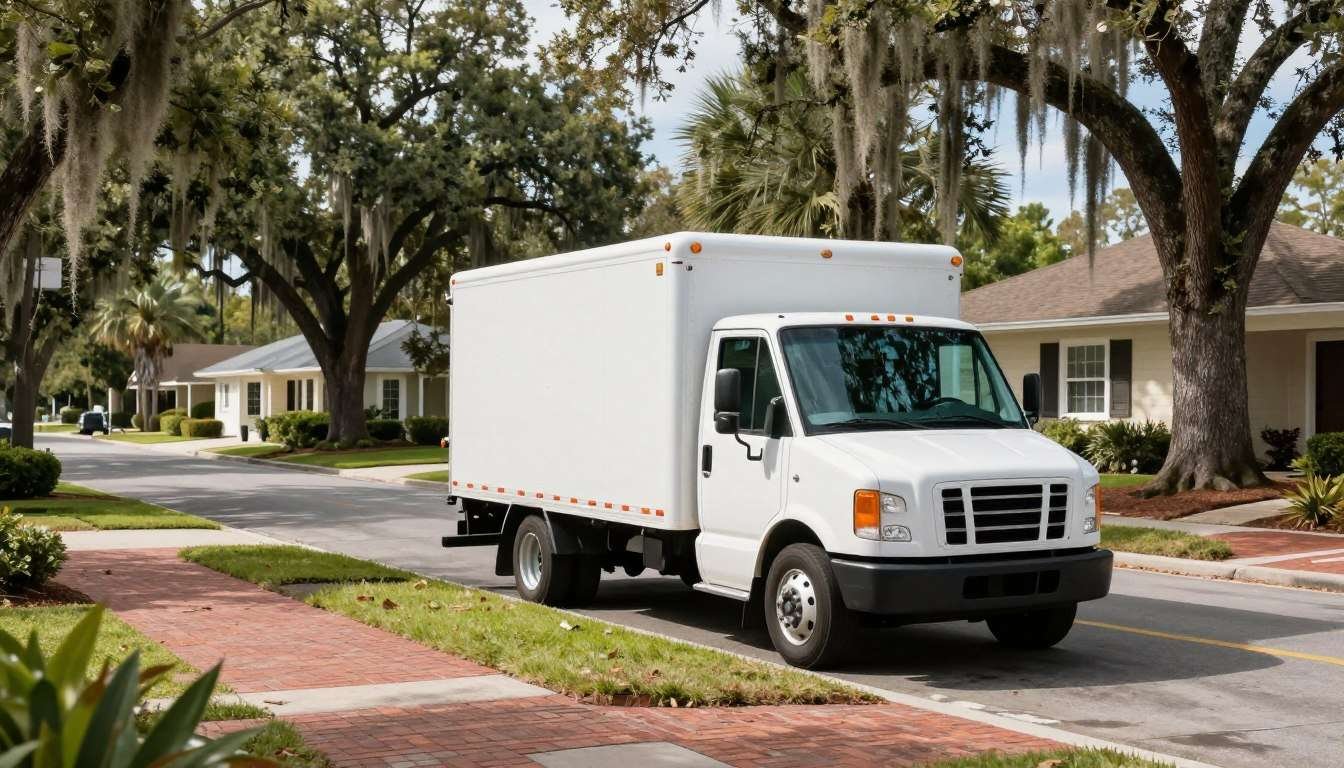
A move out of Orlando can involve more than getting belongings from one address to another. Families planning a relocation may need to coordinate packing, storage, and the needs of a new home. Businesses may also face timing and access needs while moving equipment or furnishings. Distance and service choices can make the plan feel like a lot to manage.
Family Movers Express serves households and businesses across Orlando and South Florida. We offer local and long-distance moving, packing, storage, and commercial relocation. Our team can help customers consider the details that shape a move, from shipment size to the kind of help they need. Good planning gives families a clearer way to organize their belongings and keep decisions in view.
Whether you are leaving central Florida or moving within the area, start with the needs of your home or business. We help customers plan local and long-distance moves, packing, storage, and commercial relocation in Orlando and South Florida.
Key Takeaways
- Set a clear inventory before requesting estimates.
- Choose who will pack, load, transport, and unload the shipment.
- Compare moving estimates using the same inventory and service list.
- Check interstate registration and written move documents before signing.
- Keep medicines, key documents, and valuables with you when practical.
How Much Do Long Distance Movers in Orlando Cost?
A useful starting point for budgeting is the $4,500 average estimate for a 50- to 400-mile move. The listed range for that distance is $2,200-$10,500. Moving company prices in Orlando also depend on home size, route, and selected moving services.
For a 150-mile move, estimated costs vary by home size. These examples use a separate set of estimates from the broader 50- to 400-mile range.
| Home size | 150-mile estimated cost | Move profile |
|---|---|---|
| One-bedroom apartment | $1,800-$3,000 | Apartment |
| Two- to three-bedroom house | $5,500-$7,500 | Mid-size house |
| Four- to five-bedroom house | $10,500-$13,900 | Larger house |
The $4,500 average and $2,200-$10,500 range apply to moves of 50 to 400 miles. The 150-mile estimates above are separate examples, not a breakdown of that average. A 200-mile move falls within the broader distance range.
For a 200-mile route, the final quote depends on shipment size, route, and selected services. A one-bedroom apartment and a larger house need different truck space and work time. Packing, storage, and other requested services can also change the estimate.
Compare estimates only after each mover has priced the same inventory and service list.
A written estimate should make clear what the moving company plans to handle. Check that the shipment details and requested services match what you described. An estimate based on an incomplete inventory may not reflect the move you intend to book.
Does Your Route Cross State Lines or Stay in Florida?
A move can be long-distance without crossing a state line, and crossing one makes it an interstate move. An interstate move is a household move that crosses a state line. Route distance and state boundaries are different details to share when planning long-distance moving.
Many movers use about 100 miles as a practical long-distance threshold, but each mover may set a different threshold. A long route within Florida may count as long-distance service for one mover. Another company may use a different mileage rule.
Orlando to Miami stays within Florida, so that route is not interstate. Orlando to Georgia crosses a state line, even if the trip is shorter than a long route across the country.
Those two examples show why distance alone does not define an interstate move. A route across country may pass through several states, while a long trip within one state remains intrastate. The service and paperwork can depend on the route type.
When moving across a state boundary, tell the mover the exact origin and destination. Share any stops or delivery locations that form part of the shipment route. These details help the company identify the service being requested.
For a move across town or across Florida, give the same clear route details. Do not assume that every moving company uses the same mileage threshold for long-distance service. Tell each mover the origin, destination, and whether the route crosses a state boundary before requesting an estimate.
Which Moving Service Model Suits Your Move?
The right service model depends on how much physical work and transport you want to manage. Full-service moving covers more of the job, while containers and rental-truck labor leave more tasks with you. Confirm who handles each part before choosing a service.
Your schedule, ability to lift, and need for storage can help narrow the options. Some customers want a moving team to handle most steps. Others prefer to pack or arrange transportation themselves.

Full-Service Moving for Packing and Heavy Lifting
Full-service moving can include packing, loading, transportation, and unloading. Some moving services also include storage. This option suits people who have limited time or want less heavy lifting during the move.
A full-service team can pack household items into cartons and protect furniture for transport. Ask which tasks the moving company includes, since service lists can differ. Make sure loading and unloading both appear in the plan if you need help at each home.
Moving Containers for Flexible Loading and Storage
A moving container is delivered to your property, and you load it yourself. You can keep the container on your property or have it taken to a storage center. PODS includes one month of storage with each long-distance move.
PODS offers an 8-foot moving container for a studio or room of 500 square feet or less. Its 16-foot container fits a two-bedroom home or a home of up to 1,200 square feet.
| Container size | Stated fit | Storage option |
|---|---|---|
| 8-foot container | Studio or room of 500 square feet or less | On-property or PODS Storage Center |
| 16-foot container | Two-bedroom home or up to 1,200 square feet | On-property or PODS Storage Center |
Container loading gives customers control over when they pack. It also means you handle the lifting unless you hire labor. See our comparison of portable storage and moving company services for more on those differences.
Rental-truck labor is another choice when you can arrange transportation but need help loading or unloading. The truck or container remains your responsibility, while hired labor handles part of the physical work. Choose the service format only after confirming who handles loading, transportation, unloading, and any storage.
How Can You Lower the Cost Without Taking on the Whole Move?
A flexible weekday in the middle of the month can be a better time to request a moving date than a lease-change weekend. Monday through Thursday is usually slower for movers than Friday and the weekend. Dates near the beginning or end of the month are typically pricier.
Lease start and end dates often create demand for moving services. If your schedule allows, compare several dates rather than choosing the first available weekend. A few days of flexibility can give you more options without making the whole move a do-it-yourself job.
Choose Dates With More Scheduling Flexibility
Ask about weekday openings and dates farther from common lease changes. A moving company may have more room to schedule work Monday through Thursday. The exact rate still depends on the shipment and services you request.
Choosing a slower date does not mean accepting an unclear offer. Cheap moving companies in Orlando should still provide a clear written estimate and a defined service list. Compare what each price covers, including packing supplies and labor.
Reduce Shipment Size and Pack Selectively
A smaller shipment may need less truck space and less loading time. Sell, donate, or give away belongings you no longer use before the mover builds the inventory. Packing suitable items yourself can also lower the service cost.
Packing services can add 15%-30% to the total moving cost. That help may still make sense for fragile items or when time is tight. Decide which rooms or belongings you can pack safely and which ones need professional moving support.
Try these steps when shaping your plan:
- Compare weekday dates.
- Avoid lease-change dates when possible.
- Donate or sell items before the inventory.
- Pack non-fragile belongings yourself if suitable.
Ask whether packing materials and labor are included before choosing a lower-priced service package.
What Should You Pack, Store, or Leave Behind?
Sort belongings before packing to cut clutter and make the shipment easier to inventory. Professional packing can cover cartons, furniture protection, and fragile items. Check the mover’s item rules before packing goods that may be restricted.
Make a room-by-room list and note which items need special care. That list helps the team plan packing supplies and track furniture. It also gives you a clearer view of what should stay with you.
What Professional Packing Can Cover
Packers can place everyday belongings in cartons and use blanket-wrapping for oversized items. Fragile belongings may need specialty crating. Ask how the team plans to protect glass, artwork, or other items safe from ordinary box packing.
Furniture may be disassembled and reassembled as part of the service. Unpacking can also be an optional service. Confirm which rooms or pieces the crew will handle, so the packing plan fits your home.
Interstate movers commonly restrict hazardous materials such as gasoline, propane, and paint. Customers should check the mover’s item list before packing hazardous or perishable goods. Rules can differ by company and item.
What to Sell, Donate, or Keep With You
Weigh an item’s replacement cost and usefulness against the work of transporting it. Old furniture, duplicate kitchen items, and unused exercise equipment may be worth selling or donating. Their condition, value, and fit in the new home matter more than their category.
Storage may make sense when you want to keep belongings but cannot place them right away. Consider how long you expect to store them and whether you will need regular access. An item with personal value may be worth keeping even when replacing it costs less.
Carry medicines, identification, essential documents, and valuables yourself when practical. Keep those things apart from the shipment so you can reach them during travel. Our large-home moving tips also cover room-by-room planning and special care for oversized belongings.
Keep essential documents and items needed immediately after arrival in a clearly identified bag that stays with you.
What Paperwork and Credentials Should a Mover Show?
A mover should identify its registration and explain the paperwork before the move is booked. Interstate household-goods movers should be checked through the Federal Motor Carrier Safety Administration (FMCSA) and their U.S. Department of Transportation (USDOT) registration. Review the estimate, order for service, and bill of lading before an interstate move.
The written estimate should describe the shipment and the services the mover will provide. The order for service records the agreed work, and the bill of lading covers the shipment contract. Keep copies of the documents you sign.
Long-distance moving companies in Orlando are easier to compare when each receives the same inventory and service request. Reviews can help you learn about customer service and past experiences, but they are one signal, not proof of a guaranteed result.
People comparing the best movers in Orlando should also look at service scope, written terms, and how clearly the team answers questions. A company’s rating alone cannot show whether its services fit your route or shipment.
Watch for these warning signs before signing:
- No written estimate.
- Pressure to sign blank paperwork.
- A quote that changes without a clear reason.
- Reluctance to provide registration details.
Do not sign a blank form or accept a change to the agreed shipment terms without getting the change in writing.
What Needs to Be Ready Before Pickup and Delivery?
A move is easier to coordinate when access, contacts, and shipment paperwork are ready before pickup. Start coordination about 6-8 weeks ahead as a general planning rule, with more lead time for complex moves. Home size, distance, season, and weather can all affect the moving timeline.
Confirm expected pickup and delivery windows with the mover rather than assuming a fixed transit period. The team can explain how the route and shipment details shape timing. Keep those details handy if plans change.
Before the Moving Crew Arrives
Confirm access and parking at both homes, including any rules for moving trucks. Clear walkways and entrances so the team can carry items safely. Set aside belongings that are not going on the truck.
Share useful access details with the moving team before pickup. These may include gate codes, parking limits, or elevator reservations. Our long-distance moving checklist can help organize the planning tasks and shipment details.
At Delivery and Unloading
Compare the shipment with the inventory at delivery. Record visible damage or missing items promptly, then follow the mover’s process for reporting a problem. Keep notes about the item and when you noticed the issue.
Use this short checklist on moving day:
- Confirm contact details.
- Clear the access route.
- Keep personal essentials with you.
- Check the inventory at delivery.
Keep a copy of the signed inventory and delivery paperwork until the shipment has been checked.
Which Orlando Moving Company Fits Your Household or Business?
A full-service household move, a storage need, and a few hours of loading help call for different service scopes. Compare the exact tasks each provider offers for your route. The most suitable option depends on whether you need a full-service move, packing and storage, or labor for a truck or container you arranged.
Family Movers Express offers local and long-distance moving, packing, and storage. E.E. Ward Moving & Storage offers packing, unpacking, and storage. TWO MEN AND A TRUCK’s East Orlando location lists long-distance moves and hourly loading or unloading labor.
| Provider | Long-distance moving | Packing | Storage or labor |
|---|---|---|---|
| Family Movers Express | Yes, local and long-distance | Yes | Storage |
| E.E. Ward Moving & Storage | Yes, as a North American Van Lines agent for long-distance moves from Orlando | Professional packing and unpacking | Long- and short-term temperature-controlled storage |
| TWO MEN AND A TRUCK, East Orlando | Yes | Packing and unpacking | Hourly loading or unloading labor for rental trucks or storage containers |
E.E. Ward Moving & Storage lists a 4.8 rating from more than 600 reviews. That rating is one point to consider, not a promise about an individual move. Service needs and route fit still matter.
Customers seeking the cheapest long-distance movers in Orlando need comparable quotes for the same shipment and scope. A small job should match the provider’s available labor and service minimums. A few hours of labor may suit a customer-arranged truck better than a full moving crew.
Families and businesses can use the same comparison method, but their inventories may differ. A home move centers on furniture and personal belongings, while a business relocation may need clear handling plans for equipment and work areas. Compare the precise services offered for your route rather than relying on a general label such as full service.
What Should You Put in a Quote Request?
A useful quote request gives the mover enough detail to price the same shipment and services you are considering. Clear details make estimates easier to compare. Share the same information with each mover so the quotes cover the same work.
Include the route, the size of the shipment, and any services that could change the work. If you have commercial relocation needs, describe them with the same care as household items. This gives the team a clearer picture of the move.

Build an Apples-to-Apples Inventory
Give each mover your origin and destination, approximate inventory or home size, and preferred dates. Describe access at both locations, such as stairs, parking, or gate rules. Add your packing and storage needs.
For a business move, note any commercial relocation requirements that affect timing or handling. A room-by-room inventory can make household estimates more useful. Tell the mover about large or unusual items that may need special care.
Use one shared list to prepare quote requests:
- Origin and destination.
- Approximate inventory or home size.
- Preferred dates and access details.
- Packing, storage, and business needs.
Keep the details consistent when contacting each company. If your inventory changes, tell every mover so their estimates reflect the same shipment.
Request a Free Family Movers Express Quote
Family Movers Express offers local and long-distance moving, packing, storage, and commercial relocation in Orlando, Florida, and South Florida. We can discuss the service needs for a household or business move. A clear request helps us understand the work you have in mind.
Give every mover the same inventory and service details when you want a fair comparison.
Contact us today for a free moving quote at 407-930-9388 or visit https://familymoversXpress.com.
Conclusion
A well-scoped move starts with a clear inventory and an honest account of the help you need. When each moving company prices the same shipment and services, you can compare plans with more confidence.
Consider your schedule, packing needs, and route before choosing how to move. Those choices can help your family or business plan the work that matters most.
We invite you to request a free quote from Family Movers Express. Contact Family Movers Express to request a free moving quote for your Orlando or South Florida relocation.
FAQ
What is the average cost of a long-distance move?
Who is the cheapest long-distance movers?
What are red flags when hiring movers?
How far is considered a long-distance move?
What items are not worth moving long distances?
How much does it cost to move 200 miles?
How to move long-distance cheaply?
What is the cheapest day for movers?
Ready to protect your upcoming move?
Click Here to Fill Out Our Quick Form & Secure Your Instant Quote!