

Office moves often bring a flood of challenges that can stall your business for days. Losing productivity during a commercial relocation isn’t just frustrating—it can hit your bottom line hard. In this post, you’ll find top strategies to reduce downtime, helping you plan an efficient office move that keeps your team working and your business running smoothly. For more information, check out this link.
Preparing for an Office Move
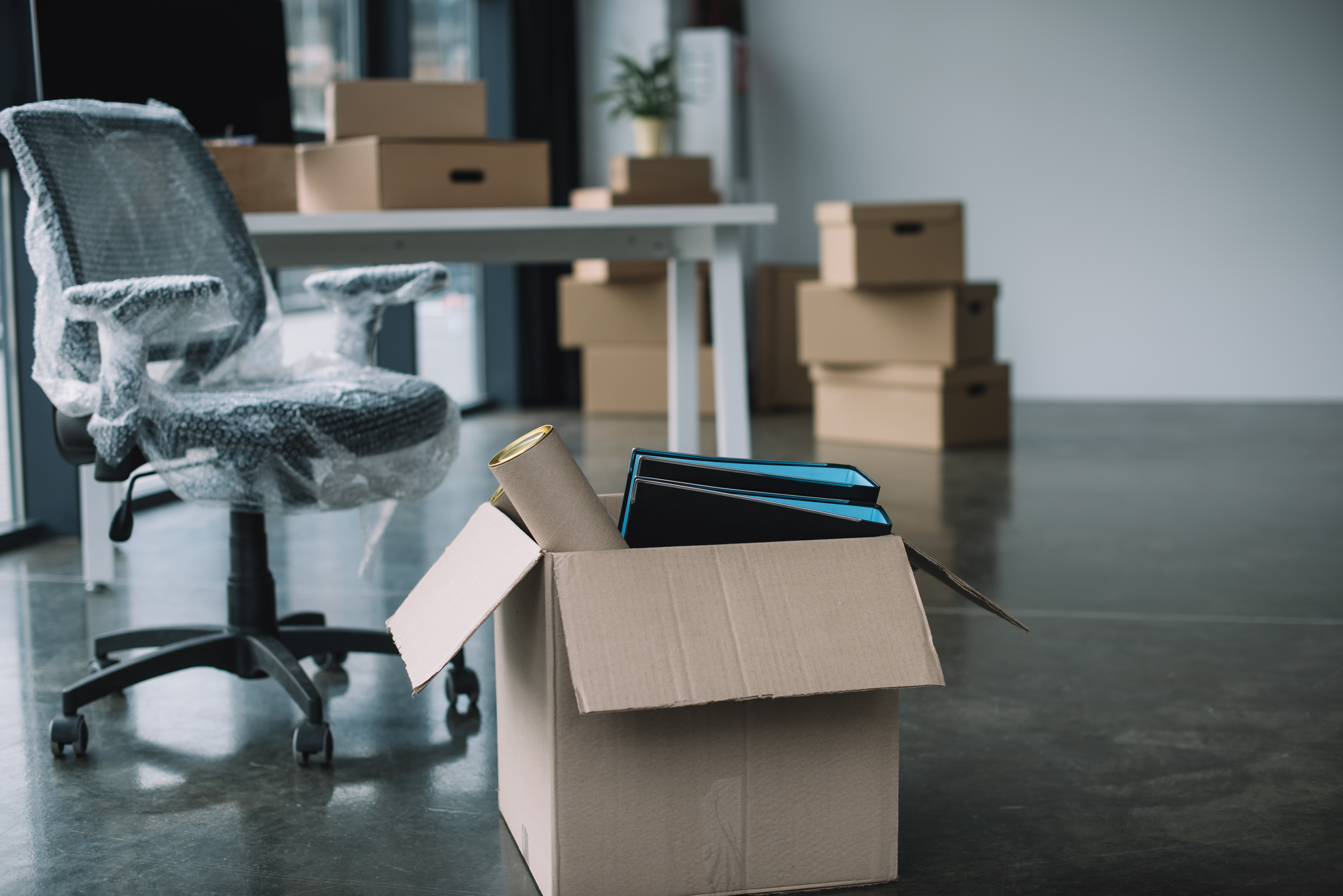
Starting your office move with a solid plan is crucial. Proper preparation can make the difference between a smooth transition and chaos. Ready to dive in?
Planning for Success
Creating a detailed timeline is your first step. Begin by setting clear dates for each phase of your move. This ensures everyone knows what to expect and when. Having a timeline not only reduces stress but also keeps your team on track.
Next, set a budget. Moving expenses can quickly add up, so it’s essential to know your numbers. Consider everything from packing materials to hiring professionals. Speaking of professionals, deciding early on whether to hire a moving company can save you headaches later.
Don’t forget to alert service providers and update your address. This avoids interruptions in services like internet and utilities. It’s also a good idea to inform clients and partners about your move, maintaining transparency and trust.
Team Coordination and Communication
Your team is a critical part of a successful move. Start by assigning roles. Who will oversee packing? Who handles the tech setup in the new space? Clear roles prevent confusion and ensure everyone knows their responsibilities.
Communication is another key element. Regular meetings keep everyone informed and engaged. Use these sessions to address concerns and update the team on progress. This not only helps in managing the move but also boosts team morale.
Consider setting up a communication channel dedicated to the move. This could be a chat group or a project management tool. Having a central place for updates minimizes misunderstandings and keeps everyone aligned.
Implementing Moving Strategies

With a plan and a well-prepared team, it’s time to put strategies into action. Effective moving strategies can significantly cut downtime. Interested?
Professional Moving Services
Hiring professional movers can be a game-changer. They bring expertise and efficiency, ensuring a timely relocation. Look for companies with commercial experience, as they understand the unique challenges of office moves.
When choosing a service, consider their reputation. Read reviews and ask for references. A reliable company should have a track record of minimizing downtime and handling business moves with care.
Discuss your needs with potential movers. A good company will offer tailored solutions, from packing to setting up your new space. This personalization ensures they meet your specific requirements, making the transition smooth.
Packing and Labeling Tips
Packing is pivotal in preventing chaos. Start early and sort items by department. This not only streamlines unpacking but also reduces the chance of lost items.
Labeling boxes is a must. Use clear, bold labels indicating contents and their destination in the new office. This saves time during unpacking and helps movers place items correctly.
Consider using color-coded labels for different departments. This visual cue speeds up the process and reduces the likelihood of items ending up in the wrong place.
Post-Move Considerations

Congratulations, the move is done! But the work isn’t over yet. How you handle the aftermath can impact your business’s recovery. Want to know more?
Setting Up Quickly
Time is money, especially post-move. Start by prioritizing essential equipment and systems. Ensure your internet and phone lines are operational first. Without these, work can grind to a halt.
Encourage your team to unpack personal items quickly. This helps them settle in and feel at home in the new environment. It also reduces clutter, making the office functional faster.
Consider having a layout plan. Knowing exactly where everything should go in advance prevents confusion and saves time. This also allows your team to get back to normal operations sooner.
Minimizing Disruption to Operations
After an office move, minimizing disruption is key to maintaining productivity. Begin by conducting a brief meeting to address any immediate concerns and to re-establish routines.
Encourage feedback from your team. They might spot issues you didn’t anticipate. Listening to their insights can help in making necessary adjustments.
Review your move. What worked well? What didn’t? Use this information to refine your moving strategy for future relocations. Continuous improvement not only benefits you but also reassures your team that their comfort and efficiency matter.
For additional tips on minimizing downtime during an office move, check out Starleaf’s guide and Crown Workspace’s insights.
Here’s the key insight: A well-planned office move, executed with precision, can significantly reduce downtime, keeping your business humming and your team happy. With these strategies, you’re well on your way to a successful transition.
Ready to protect your upcoming move?
Click Here to Fill Out Our Quick Form & Secure Your Instant Quote!
