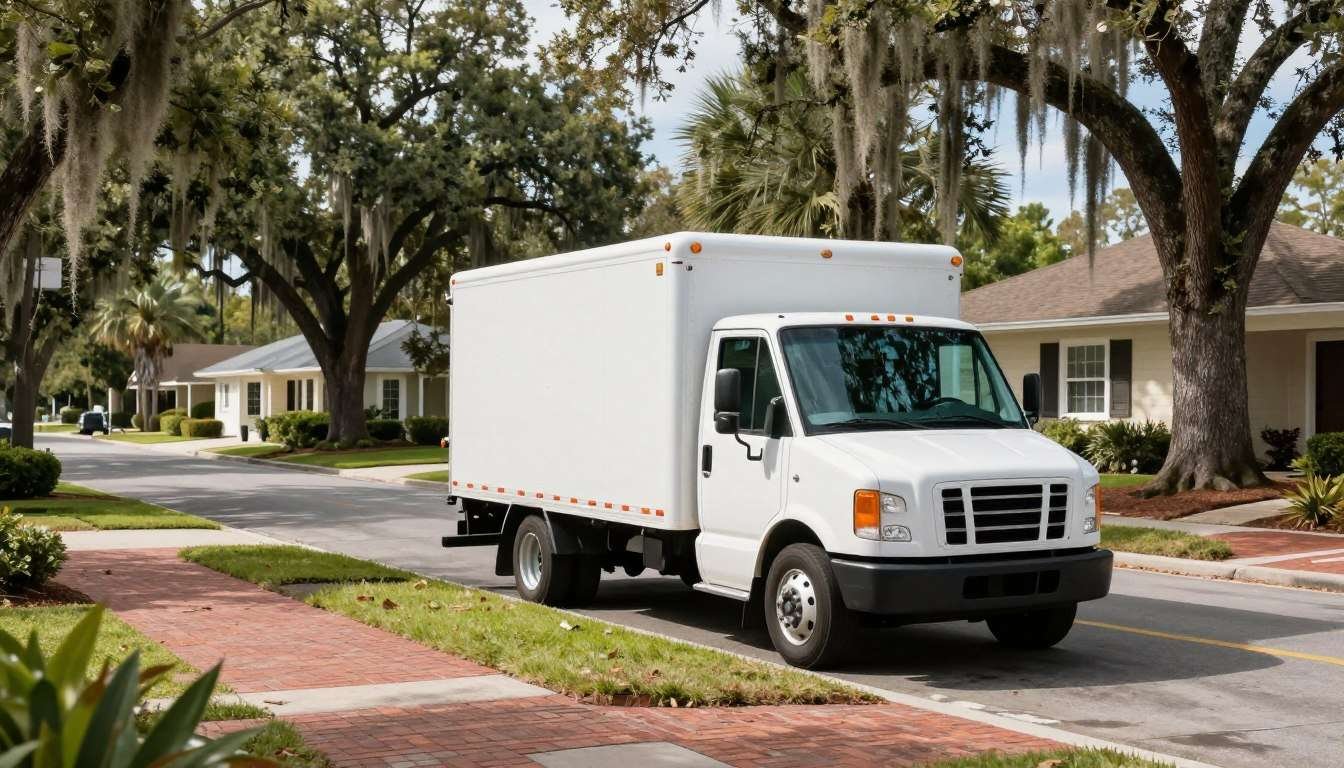
A move across Orlando can involve far more than getting furniture from one address to another. You may need help packing, protecting furniture, loading a truck, transporting belongings, or unloading at the destination. The right mix depends on the size of your move, your schedule, and the work you want to handle yourself.
Whether you are moving from a house, changing apartments, or relocating an office, it helps to know which tasks need a crew and which you can manage. Local movers Orlando customers consider may offer several service levels, from help with a few heavy items to support for a full relocation. A clear plan can also make moving day easier to organize.
This service page explains what to compare when arranging help in Central Florida, from the written proposal to the details that affect access at each address. You can use the information to match your needs with a practical service plan and make decisions without rushing. A clear inventory and a written estimate give customers a stronger starting point than a last-minute verbal quote.
Key Takeaways
- Choose services that match the items and lifting help you need.
- Use the same inventory and requested tasks when comparing estimates.
- Review the written service terms before the crew starts.
- Check access details, such as stairs, parking, and elevator reservations.
- Budget for recurring housing and transportation costs after arrival.
What Can Local Movers in Orlando Help With?
Moving help can cover an entire relocation or just the tasks that are hardest to manage alone. Flexible service can include residential moving, packing, furniture protection, transport, and loading unloading, depending on the company and job.
Ask for the specific work you need in the estimate, rather than assuming every crew provides the same services. The Local Movers lists residential, apartment, senior, office, and storage moves, along with packing, appliance moves, labor-only help, furniture padding and wrapping, and disassembly and reassembly.
Household, Apartment, and Senior Moves
A household move may involve boxed belongings, beds, sofas, appliances, and other furniture. Apartment moving can require extra coordination around stairs, elevators, hallways, parking, or building rules. A move for an older adult may also involve downsizing, moving selected items, or arranging a smaller load for a new home or storage unit.
Consider which belongings need careful handling and what lifting support would help most. A crew may pad and wrap furniture, carry items through the home, and place them at the new address. For apartment moves, describe both buildings clearly so the proposed service fits the access at each end.
Office and Business Relocations
An office move can include desks, chairs, technology, and equipment. The work may be scheduled in stages so a business can coordinate access to its current and new spaces. Share any timing limits, building rules, or equipment that needs special handling before the company prepares its estimate.
Business relocations can also include smaller tasks, such as moving a few workstations or carrying supplies to storage. A clear list helps the team plan the crew and service window around business operations. Identify which items must remain available until the move begins.
Packing, Furniture, and Labor-Only Help
Full-service packing means the crew packs most or all of the household. Partial packing covers selected rooms or items, while furniture wrapping focuses on protection during handling and transport. Assembly help can cover taking furniture apart and reassembling it at the destination.
Choose a service scope that names the tasks and items the crew will handle, so the estimate matches the work you expect.
Labor-only moving = hourly help with lifting, loading, or unloading when the customer arranges the truck or container. You handle transport, while the crew helps move belongings onto or off the vehicle. This option can suit a rental truck, storage container, or other customer-arranged transport.
Match the service scope to the items and lifting help you actually need, rather than paying for tasks you plan to do yourself.
Local Movers Orlando: What Does a Local Move Cost?
A typical Orlando local move in October 2026 ranges from $297 for a studio to $2,677 for a home with five or more bedrooms. Use these figures as a planning benchmark, not a guaranteed estimate for your address.
Local moving in Florida is commonly priced by the hour, while interstate moves are commonly priced by shipment weight and distance. Orlando movers typically charge about $80 per hour in October 2026, and a base fee of about $188 may apply. A two-hour minimum plus travel time is common.
| Home size | Typical local move cost |
|---|---|
| Studio | $297 |
| One bedroom | $411 |
| Two bedrooms | $661 |
| Three bedrooms | $1,519 |
| Four bedrooms | $1,742 |
A home with five or more bedrooms has a typical local move cost of $2,677. These typical prices help compare home sizes, but they do not account for every job detail. The final amount depends on the inventory, service requests, access, and time the crew needs.
An estimate should reflect the planned work, not just the number of rooms. A small home with a difficult carry may take more labor than its size suggests. A larger move with easy access and fewer services may follow a different schedule.
Ask what the quote includes, including the crew’s work time and any travel time or base fee. If two estimates use different service scopes, their totals may not describe the same move. Keep the requests consistent so you can compare the actual proposed work.
The figures are useful for budgeting, but the written estimate should be based on your move. Give each moving company the same information about belongings, access, and requested services. Compare estimates using the same inventory and service requests so the totals are meaningfully comparable.
What Changes the Final Moving Bill?
A long walk from the truck or several flights of stairs can add work even when the home is small. Access details affect how long a crew spends carrying and positioning belongings.
Stairs, elevators, long carries, packing, storage, appliance servicing, and item volume can all affect Florida moving costs. Apartment access may include long hallways, tight corners, stairs, elevators, and a long route from the truck to the door.
Home Access and Carry Distance
Stairs add repeated lifting, while an elevator may require extra trips or coordination with building rules. Parking far from the entrance creates a longer carry. Narrow hallways and tight corners can also slow the crew as it moves furniture through an apartment.
Possible Orlando charges include $30-$75 per flight after the second flight. A long-carry fee can be $1.50-$3 per linear foot when the path exceeds 75 feet from the truck. The estimate should show the access conditions that could trigger those charges.
Packing, Storage, and Extra Services
Packing and unpacking add labor and may involve boxes, packing paper, and other supplies. Storage can add handling or a separate service arrangement. Appliance servicing may also affect the scope when an appliance needs preparation before it can be moved.
Packing services can add $35-$55 per hour per packer, plus materials. Packing a two-bedroom home can add 2-4 labor hours and $80-$150 for boxes and packing paper. The amount depends on what you ask the crew to pack.
| Cost factor | Possible charge | Trigger | Example or condition |
|---|---|---|---|
| Stair charge | $30-$75 per flight | More than two flights | Each additional flight |
| Long carry | $1.50-$3 per linear foot | More than 75 feet from truck | Distance to the door |
| Packing labor | $35-$55 per hour per packer | Packing service requested | Materials cost extra |
| Packing a two-bedroom home | 2-4 labor hours; $80-$150 for boxes and paper | Two-bedroom packing job | Labor and materials |
Timing, Crew, and Move Size
The number of items affects how much crew time loading, moving, and unloading may take. A larger crew can handle more lifting at once, while narrow access or repeated trips may extend the work. The service plan should account for the actual items, not only the home’s size.
Give the estimator a clear picture of both addresses and the items involved. Stairs, elevators, parking distance, and requested services can change the work even when the household inventory stays the same. Ask the estimator to record access limits and add-on services in the written estimate.
How Do You Get a Reliable Moving Estimate?
An estimator who sees the items and access points in person can build a more grounded proposal than one relying only on a phone description. A walkthrough helps reveal the amount of furniture, boxes, and lifting involved.
Get estimates from at least three moving companies and compare the same requested work. Florida consumers are advised to allow two to six weeks to plan and prepare when possible.
A phone or internet estimate may not capture what is inside closets, how much furniture needs protection, or how far the crew must carry items. An in-person visit lets the estimator see the belongings and access conditions. That can make the written proposal more useful for planning.
Before arranging visits, make a basic inventory of the rooms and large items. Include appliances, furniture, packed boxes, and anything requiring special handling. If the destination has different access, describe that location too.
- Make an inventory of the items being moved.
- Arrange an in-person estimate at the home.
- Request estimates from at least three companies.
- Compare the same services, fees, and access details.
- Keep each written proposal with the matching inventory.
Give each estimator the same information about packing, loading, transport, and unloading. If you want help with only certain rooms or heavy items, name those tasks clearly. A consistent request makes differences between proposals easier to spot.
Use the two-to-six-week planning window as a practical target, especially when the move has several rooms or multiple addresses. Your timing may be tighter, but early planning gives you more room to arrange visits and review estimates.
Keep every estimate beside the same inventory so an apparent low price is not simply missing requested work.
What Must a Florida Moving Contract Include?
Do not authorize an intrastate move until the written estimate and contract identify the company, the work, and the charges. Written terms give you a concrete record of the agreed service.
Florida movers must provide a written estimate and contract before providing moving services. The documents should make the company’s identity and the move details clear before the crew begins.
Check that the estimate and contract include the mover’s name, telephone number, physical address, and state registration number. They should also show the move dates, pickup details, and delivery details. Those fields help confirm which company is responsible for the specific job.
The paperwork should itemize costs and services rather than rely on a broad verbal promise. Look for the tasks included in the price, such as packing, loading, transport, or unloading. If the proposal includes extra services, those should be named too.
Acceptable payment methods also belong in the written terms. Read the payment details before authorizing the work so you know which methods the company accepts. Keep the estimate and contract together as the record of what the customer agreed to.
An intrastate mover’s contract must state that the firm is registered with Florida as a mover or moving broker and show its registration number. A clear itemized total is more useful than a promise that the final bill will be reasonable. Ask for unclear wording to be explained before the move starts.
Make sure the pickup and delivery details match the move you agreed to.
How Can You Check a Moving Company Before Hiring?
A dependable choice is one you can verify through its registration, written terms, and move-specific service details. Check the details that apply to your job, not only the company’s broad service claims.
Florida intrastate movers and moving brokers must register with FDACS before operating. A suitable company is the one whose registration, terms, services, and customer evidence fit your move, not an unsupported statewide ranking.
Verify Registration and Coverage
Use the FDACS Business License Lookup to check an intrastate mover’s registration. Florida movers and brokers renew registration every two years. In 2026, the fee for the two-year period is $600. Moving advertisements must include “Fla. Mover Reg. No.” or “Fla. IM No.” followed by the registration number.
Intrastate movers must carry at least $10,000 in household-goods liability coverage per shipment. Firms operating fewer than two trucks may instead file a $50,000 performance bond or certificate of deposit with FDACS. Basic coverage requirements do not mean every item is covered for its full replacement value.
Basic liability may be limited to at least $0.60 per pound per article. Customers must be told in writing that they may reject or select additional valuation. Read that disclosure so you understand the choices offered for your shipment.
Read Reviews for Specific Evidence
Read review details for examples of communication, care, punctuality, and issue resolution. A star rating alone does not tell you whether the company handled a job like yours or how it responded when a problem came up.
Search for comments that describe the service and circumstances, such as an apartment move, a heavy item, or a change in timing. The Local Movers lists residential, office, senior, and apartment moves. Compare the listed services with the actual work you need.
Questions and Warning Signs to Check
Use these questions to clarify what the company will do before you commit:
- Can you confirm your FDACS registration?
- What work and services does the estimate include?
- How do you handle travel time and extra fees?
- How does valuation work for my belongings?
- Who will perform the move?
Be cautious when a company will not explain its registration, charges, or liability choices. Clear answers let you compare the company’s written offer with the work you described. Confirm that the registration number on the paperwork matches the company you checked.
When Should You Schedule an Orlando Move?
Spring or late fall can be a practical choice when your move date is flexible. Weekday dates may also give you more scheduling options than a weekend.
Late May through August is typically a busy period for movers in Florida, and weekend rates tend to be the highest. Florida consumers are advised to schedule in spring or late fall when possible.
Busy periods can make preferred dates harder to arrange because more customers are moving at once. If your move falls between late May and August, reserve your preferred date early. Do not assume a crew will be available on a specific day without confirming it with the company.
A weekday may fit more easily into a schedule and can help avoid the highest weekend rates. The best date still depends on your lease, work hours, and building access. You may have only a few possible days if the old home must be vacated by a fixed date.
Apartment and office buildings may require advance arrangements for elevators or loading areas. Those rules can narrow your choices even when the moving company has an open crew. Check the move window permitted by the building before settling on a date.
Weather and local conditions can also affect the practical timing of a move. Central Florida heat, humidity, and sudden rain can make outdoor loading less comfortable. A workable schedule gives you time to follow building rules and coordinate access at both addresses.
Confirm building access and any elevator reservation before treating a date as final.
How Can You Prepare Your Home and Belongings?
Starting several weeks ahead gives you time to sort, pack, and label without leaving every box for the final day. Small batches make packing unpacking tasks easier to manage around work and home routines.
Start four to six weeks ahead for a larger move and two to three weeks ahead for a smaller move. The exact pace depends on how much you own and how much you plan to pack yourself.
Start Packing at a Manageable Pace
Begin with belongings you do not use every day, then work through rooms in a steady order. Sort items before putting them in boxes so you do not spend time packing things you will leave behind. Label each box with its destination room.
Room labels can help the crew place boxes where you need them after unloading. Keep labels easy to read and use clear descriptions for boxes with several kinds of items. A box marked “kitchen” is easier to place than one marked “miscellaneous.”
Protect Furniture and Fragile Items
Wrapping furniture helps protect surfaces during handling, while keeping fragile items separate can reduce the chance of damage from heavier belongings. Set aside breakables so they do not get mixed into general boxes. Tell the crew about items that need special care.
Packing support can be full, partial, or limited to a single item. A residential packing service can be tailored to selected rooms or fragile belongings. Decide which packing tasks you want help with before the work begins.
Make Access Easy for the Crew
Clear walkways, hallways, and doorways so the crew can carry furniture and boxes without moving obstacles first. Identify items that should stay behind or travel with you. Put important essentials in a separate place before loading starts.
Use this short list to prepare your home:
- Label boxes by room.
- Separate fragile items from general boxes.
- Clear walkways for the crew.
- Identify items staying behind.
- Set aside first-night essentials.
Keep medications, keys, and important documents with you rather than inside a moving box.
What Should You Budget for Life in Orlando?
A realistic Orlando budget should account for rent and getting around, not just the one-time move. Monthly costs depend on your housing choice, commute, income, and other household bills.
Compare housing and travel costs with your own income and commute before choosing where to live. Rent and transit fares can help set a starting point, but they do not show the full cost of a household budget.
Compare Rent With Your Monthly Budget
In August 2026, Orlando’s median rent across apartment sizes was $1,529 per month, down 1.53% year over year. The median one-bedroom rent was $1,303, while the median two-bedroom rent was $1,619 per month.
These figures offer a reference for comparing apartment sizes, not a promise about a specific unit. Your rent choice should leave room for transportation, utilities, food, and other regular expenses. Consider how the location affects the distance and cost of your usual trips.
Choose a LYNX Fare for Your Travel Pattern
LYNX offers single rides and passes with different costs for occasional and regular travel. In 2026, standard fares and qualifying discount fares are:
| Fare option | Standard fare | Qualifying discount fare |
|---|---|---|
| Single ride | $2.00 | $1.00 |
| All-day | $4.50 | $2.25 |
| 7-day pass | $16.00 | $8.00 |
| 30-day pass | $50.00 | $25.00 |
An all-day pass is valid from 4:00 a.m. on its issue date until 3:00 a.m. the following day. LYNX transfers are free when you request one from the operator while boarding. A transfer is limited to 90 minutes and does not apply to the same route or a round trip.
A LYNX NeighborLink ride costs $2.00, or $1.00 for a qualifying discount fare. Compare the number of trips you expect with the fare options. A single ride may work for occasional travel, while a pass may fit a more regular commute.
Rent, transit, and other household costs should fit your income and travel needs together. Check the route and the expected number of trips before choosing a pass.
Can Orlando Movers Handle Small Jobs?
A small move may need only a few items carried or a crew to load a rental truck. Limited help can cover selected items without a full household relocation.
Moving help can be arranged for a single item, a small apartment, or loading and unloading a customer-arranged truck or container. Ask whether the company takes the specific job and what its service minimums are.
Single-Item and Apartment Moves
A crew may help move one bulky item, such as a sofa or a large piece of furniture. Small apartment moves can include a limited number of boxes and household goods. Furniture or appliance handling may also be useful when an item needs to go to or from storage.
Some customers need help carrying belongings into a storage unit, while others need a few items brought out. Describe whether the job is a delivery, a small move, or a trip to storage. That gives the company a clearer picture of the work involved.
A small job still depends on access and handling needs. An appliance, a narrow stairway, or a long route from the truck can change the labor required. Check the company’s service list and minimums for the specific job.
Labor-Only Loading and Unloading
Labor-only moving can provide lifting help for a customer-rented truck or storage container. The customer arranges the vehicle and handles transport, while the crew loads or unloads the items. This can suit a move where you need extra hands but do not need a company to transport the load.
TWO MEN AND A TRUCK East Orlando offers a Carry Crew labor-only service for loading and unloading rental trucks or storage containers. Service options differ by company, so confirm what the crew will handle for your address and item list.
Describe the item, stairs, and distance from the truck when requesting help.
Should You Tip Movers in Orlando?
Tipping movers is optional, and customers can choose an amount that reflects the work and their budget. There is no required tip for a moving crew.
A common local convention is about $20 per mover for a job up to four hours, or roughly $40-$50 per mover for a full day of six to eight hours. Service, budget, and customer preference all matter.
The length of the job can help you decide what feels appropriate. A shorter move may call for a smaller amount than a full day of lifting and carrying. You can also consider how the crew handled the belongings and whether the service matched your needs.
If you choose to tip, decide whether to give the amount to each mover or ask the crew lead to divide it. That choice is a matter of convenience, not a condition of the service. You can also choose not to tip.
For a long-distance move with separate loading and delivery crews, a common practice is to tip each crew at the end of its own shift. The loading crew and delivery crew may be different teams working at different times, so each shift can be considered on its own.
If you plan to tip, decide whether you will give it to each mover or the crew lead before the job ends.
How Do You Book the Right Crew for Moving Day?
A complete booking request helps the company match the crew and service plan to the move. Specific details make it easier to understand the job before a date is confirmed.
Requesting a quote is not the same as confirming a scheduled move. A detailed request can include the move type, home size, pickup and destination ZIP codes, floor information, move date, contact details, and an item list.
Share any special handling needs, such as a bulky item, fragile belongings, or furniture that needs disassembly. Include the floor at each address and relevant access details. Those facts help the team understand the work without guessing.
Use this booking checklist to prepare your request:
- Choose a preferred move date.
- Prepare the pickup and destination ZIP codes.
- State the home size and floor details.
- Share an item list and special handling needs.
- Confirm the written estimate and arrival details.
When the company sends a quote, read the service scope and charges before treating the move as booked. Confirm the date, arrival details, and how the company will contact you. Keep the final written estimate with the booking information.
To request a free estimate, call or submit a request with your move details and preferred date. The company can respond with a proposal for the work you described. A quote request begins the process, while a confirmed date and written terms establish the scheduled service.
Keep the confirmed date, contact information, and written estimate together for moving day.
Conclusion
A smoother Orlando move starts with a service plan that fits the load and a written estimate that fits the plan. Choose the help that matches the work, whether you need a full relocation or a smaller amount of lifting support.
Clear written terms help you understand which services the company will provide and what the estimate covers. That clarity makes it easier to prepare for the move without relying on assumptions.
Gather your inventory and move details, then request an estimate for your preferred date.
FAQ
What is the cheapest way to get around Orlando?
Who is the cheapest mover?
Is it worth moving to Orlando, Florida?
Which moving company is considered the best in Florida?
Is 2 men and a truck a good moving company?
What are red flags to watch for in movers?
Are you supposed to empty dressers for movers?
Is it rude not to tip movers?
Ready to protect your upcoming move?
Click Here to Fill Out Our Quick Form & Secure Your Instant Quote!